



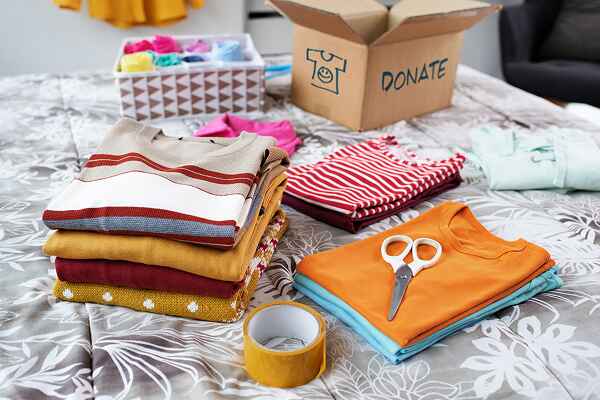
April has a way of making clutter feel urgent. The days are longer, the light is harsher, and every cupboard you open reminds you that you’ve been putting this off since October.
For most London households and businesses, a proper spring clear involves more than a bin bag and a trip to the tip. There’s furniture that could go to a family who needs it. There’s garden waste that’s been sitting since winter. There’s a drawer full of old electricals that definitely shouldn’t go into general waste. And somewhere in all of that is a pile of things that just need to go, full stop.
This guide covers how to sort your spring clear properly: what charities in London will actually accept, what they won’t touch, and when a professional clearance collection is the right call.
Sort Before You Shift
The biggest time-waster in any spring clean is treating everything as rubbish. Going room by room and throwing everything into one pile means good items get lost in the process and you end up paying to clear things that could have gone to charity.
A better approach: work through each space and split what you find into three groups.
- Donate: clean, complete, and genuinely usable by someone else
- Clear: broken, worn out, or unsuitable for donation but needs to go
- Keep: things you’ll actually use (be honest here)
This takes less time than it sounds, and it gives your clearance a clear structure before you pick up the phone or open an app.
Checking What’s Actually Donatable
A good rule of thumb: if you’d feel comfortable handing it to a friend, a charity can probably use it.
For furniture, check the condition carefully. Is it clean? Does it hold together structurally? For sofas, armchairs, and anything upholstered, check underneath for the fire safety label. UK regulations require this label to be intact and legible before a charity can legally sell the item. No label means most organisations will turn it away, regardless of how good the condition is.
What You Can Donate to Charity in London
Donating usable items is the best outcome from a spring clear. It costs you nothing but a bit of organisation, keeps items out of landfill, and puts them directly in front of people who need them.
Most London charities will accept:
- Furniture in good condition (upholstered pieces must have the fire safety label)
- Books, clothes, shoes, and accessories
- Kitchenware, crockery, and small appliances that still work
- Children’s toys and games that are complete and age-labelled
- Working electricals (some organisations specialise in these)
For furniture specifically, the British Heart Foundation collects free across a wide range of London postcodes and takes sofas, tables, chairs, and white goods. North London Hospice, All Aboard, and Shelter run similar collection services. If you want a full list of organisations across the capital, the Junk Hunters blog on North London furniture charities is a good place to start.
Two things worth keeping in mind:
- Book charity collections early. April is the busiest period for these organisations and slots go fast.
- Be upfront about the condition of items. Charities can’t use things they can’t sell or give away, so accurate descriptions save everyone a wasted journey.
What Charities Won’t Take
There’s a long list of items that charities simply can’t accept. Knowing this in advance saves you from sitting on a pile of stuff with nowhere to put it.
Items that typically won’t be accepted include:
- Broken or heavily worn furniture
- Upholstered items without the fire safety label
- Old electricals that no longer work (including TVs, monitors, and kitchen appliances)
- Mattresses (most organisations won’t take these for hygiene reasons)
- Garden waste, soil, and cuttings
- Builders rubble and DIY debris
- Large kitchen appliances past their useful life
None of this means these items have to go to landfill. It means they need a different route out. A licensed waste clearance service handles all of these categories responsibly, sorting materials for recycling and keeping them out of landfill where possible.
When to Book a Professional Collection
Once you’ve set aside what’s going to charity, the clearance pile needs a professional collection. This is where Junk Hunters comes in.
Whether you have a full house clearance to deal with, a garden full of winter debris, a loft packed with stuff you’ve not seen since 2018, or a single bulky item that won’t fit anywhere else, the two-man teams handle everything from the point of collection. All the loading, all the heavy lifting, and a tidy-up once they’re done. You don’t have to move anything yourself.
For London businesses doing an end-of-financial-year sort, office clearances cover everything from old desks and filing cabinets to IT equipment and white goods. The service is WEEE compliant for electronics, which matters both legally and for your environmental reporting.
Over 80% of everything Junk Hunters collects is recycled. Reusable items are passed to charities where possible. Nothing collected goes directly to landfill. Every collection comes with duty-of-care documentation so you have a record of responsible disposal.
Book a Collection with JunkApp
If organising a clearance feels like another task on the list, JunkApp removes most of the friction.
Take a photo of what needs collecting, add a short description, and get an accurate quote without making a single phone call. Choose your load size and time slot, and track the pickup live on the day. Early users get access to launch offers and priority pickups, which is useful during April when demand is high.
The Legal Side of Waste Disposal in London

Under UK law, the duty of care for waste sits with the person producing it, not just the person collecting it. If you pay an unlicensed “man and van” to take your rubbish and it ends up fly-tipped on a London street, you can be held liable. London fly-tipping fines have risen to a maximum of £1,000, and councils across the capital are actively pursuing cases.
Using a licensed carrier protects you. Junk Hunters carries the required waste carrier registration, provides duty-of-care documentation for every collection, and ensures all waste is transported to authorised sites. Check which areas we cover if you’re outside central London.
Making the Clear-Out Count
Around 22 million furniture items are thrown away in the UK every year, according to research by the North London Waste Authority. A significant proportion of those are in perfectly usable condition. The problem is usually that the owner didn’t know what to do with them, so everything went into the same pile.
Getting the order right makes a real difference:
- Donate first. If it’s in good condition, get it to someone who can use it.
- Recycle what you can. Separate materials before the collection arrives.
- Dispose of the rest responsibly. Use a licensed carrier who will handle it correctly.
For anyone unsure about what can and can’t be recycled from a home clearance, the Junk Hunters guide on how to recycle at home covers the practical detail.
Get the Spring Clear Done
The process is simpler than it looks. Sort before you shift. Get usable items to charities that can actually use them. For everything else, the broken, the bulky, the old electricals in the corner, book a licensed clearance team to handle it properly.
Junk Hunters operates across London with flexible time slots, a two-man team, and a free no-obligation quote before any collection. You can book online or through JunkApp in a few taps. Spring is here, and there’s no better time to actually deal with the pile.
Frequently Asked Questions
Can I donate my old sofa to charity?
Yes, if it’s clean, structurally sound, and has the fire safety label attached underneath the cushions. Without that label, most charities can’t legally sell it. Some smaller organisations may still take it for direct use rather than resale, but always check before booking a collection slot.
What items can Junk Hunters collect that a charity won’t take?
Broken furniture, old mattresses, white goods, garden waste, builders rubble, and WEEE items including old TVs, computers, and appliances. If a charity can’t accept it, a Junk Hunters team almost certainly can.
Is it cheaper to hire a skip or use Junk Hunters?
For most domestic clear-outs, Junk Hunters works out cheaper than skip hire. You pay only for the space your waste takes up, no council permit is required, and the team does all the loading. Skips also tend to send more waste to landfill. See how the costs compare.
How do I book quickly during the busy April period?
The JunkApp is the fastest route. Snap a photo of your items, choose a load size, and book a slot in a few taps. Early users get priority pickups, which helps in April when demand peaks.
What happens to my waste after collection?
Junk Hunters recycles over 80% of everything collected. Usable items are offered to charities. Materials are sorted and sent to the right recycling facilities. Nothing goes directly to landfill, and every collection includes waste transfer documentation.