



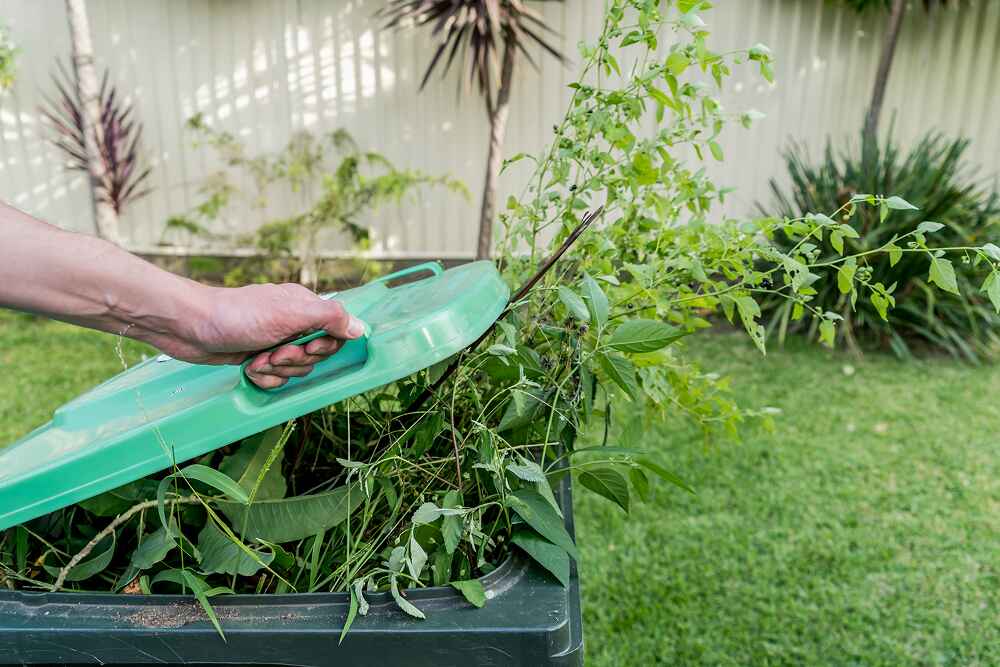
You’ve spent the afternoon in the garden. The hedge is trimmed, the lawn is mowed, and there’s a pile of grass, leaves and branches sitting by the back door. Then it hits you. You don’t have a green bin.
Maybe you’ve just moved in. Maybe your council doesn’t offer the service. Maybe you looked at the price and decided against it. Whatever the reason, you’re not alone, and you’re not stuck. Garden waste disposal without a bin is genuinely straightforward once you know the options.
This guide runs through every legal route, what each one costs, and when it’s actually worth paying for a proper clearance instead of juggling bin bags. No jargon, no filler, just the practical answer to the question you searched for.
Why You Might Not Have a Green Bin
There are more reasons for this than people expect.
- Some councils never offered a garden waste service in the first place
- Others have moved to a paid subscription model, and you haven’t signed up
- You’re renting or have just moved and the bin wasn’t passed on
- You live in a flat or a property with a shared garden and no bin allocated to you
- You looked at the annual cost and decided it wasn’t worth it for how little waste you produce
Under the rules that now apply across England, councils only have a duty to collect garden waste if a household has requested the service and paid any charges that apply. In other words, no bin is often not a mistake. It’s simply how the system works now.
The good news is that a green bin is just one of several legal ways to sort garden waste disposal. Here are the others.
Composting at Home
If your garden produces a steady trickle of waste rather than one big pile, composting is usually the simplest and cheapest fix.
It suits:
- Grass cuttings
- Leaves
- Chopped prunings and hedge trimmings
- Weeds, as long as they haven’t gone to seed
Composting at home is widely considered the most environmentally friendly and carbon neutral way to deal with garden waste, and it turns your clippings into free soil improver rather than something you pay to have taken away.
It doesn’t suit everything, though. Soil, diseased plants, and invasive weeds such as Japanese knotweed shouldn’t go anywhere near a home compost heap. Large branches and woody prunings also break down too slowly to be practical.
A basic compost bin costs from around £40 to £50 as a one-off purchase, and most councils sell subsidised versions if you check your local recycling page first.
Buying Garden Waste Bags or Sacks
If composting isn’t for you, or you’ve got more waste than your heap can handle, council garden waste bags are the next step.
How council sack schemes work
Most London boroughs sell garden waste sacks that you fill and either put out for collection or book in for pickup. Some require an annual subscription, others let you buy sacks as you need them without signing up to a full service.
Real pricing examples
Costs vary a fair bit between boroughs:
- Richmond sells packs of ten sacks for £25 including postage, or individual sacks for £2.15 each from local libraries
- Hammersmith & Fulham charges £90 a year for a weekly collection of two 90 litre reusable sacks
- Lambeth’s annual weekly service costs £94.75, with reusable bags sold separately at £10.25 each
This route suits people with a moderate, ongoing amount of garden waste who don’t want to commit to a full bin subscription. It’s less practical for a single big clear-out, where you’d need far more sacks than most schemes make sensible.
Taking It to a Household Recycling Centre
If you’ve got a car or a small trailer, your local household recycling centre is a free option for garden waste disposal in most areas.
Permits and van access rules
Some councils cap how much you can bring, or require a booking, especially around weekends in the growing season. Some sites also only operate seasonally, so it’s worth checking opening times before you load the car.
Resident-only restrictions
Recycling centres are for householders disposing of their own waste, not for anyone collecting on behalf of others or for a fee. If a fee is charged or the waste is collected as part of a business, it becomes commercial waste and must go through commercial disposal sites instead.
This option works well if you have transport and a manageable amount of waste. It’s less appealing for large volumes, awkward branches, or if you don’t drive.
When It’s Worth Booking a Clearance
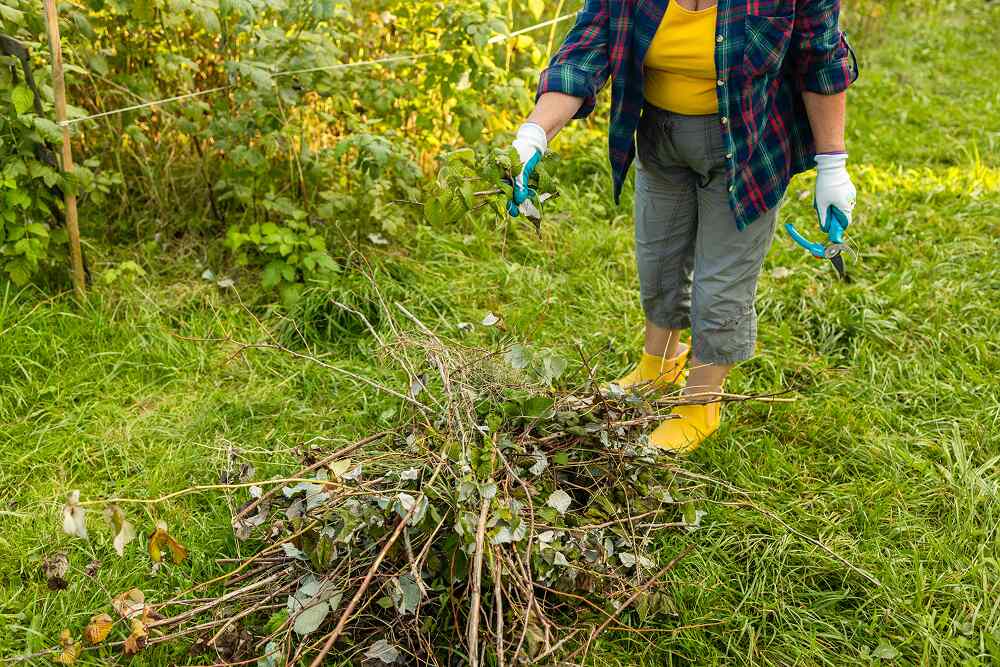
DIY options cover a lot of ground, but there’s a point where they stop making sense.
Book a professional garden clearance if:
- You’ve inherited an overgrown garden after moving house
- You’re clearing hedges, tree branches or turf that won’t fit in standard sacks
- You don’t have a car, a trailer, or the time for multiple recycling centre trips
- The waste is simply too much for a compost heap or a few bags to handle
A same-day or next-day collection means someone else does the loading and the trip to the recycling centre, and you don’t need to store bags of waste in the garden waiting for the next scheduled pickup. It’s often more cost-effective than it sounds once you weigh up sack prices, subscription fees and your own time.
The Legal Bit Nobody Wants to Think About
It’s tempting to just leave a few bags out or ask a cheap “man with a van” to take it away. Both can land you in trouble.
Fly-tipping is the illegal dumping of waste, and if it’s traced back to you, you could face a fixed penalty notice of up to £400 or an unlimited fine. Local authorities in England recorded 1.26 million fly-tipping incidents in a single recent year, a rise of 9% on the year before, with household waste making up 62% of cases.
The rules apply even if someone else dumps your waste on your behalf. You have a legal duty of care to check that anyone removing your waste holds a valid waste carrier licence, and you should receive a waste transfer note as proof it was handled properly. If you’re ever unsure, our piece on London’s fly-tipping crisis covers just how widespread the problem has become and why cutting corners isn’t worth the risk.
Sorting Your Garden Waste the Right Way
Garden waste disposal without a green bin isn’t complicated once you break it down by how much waste you have and how often you produce it.
- Small, regular amounts: compost at home
- Moderate, ongoing waste: buy council sacks
- Occasional trips with transport: use a recycling centre
- Large or one-off clearances: book a professional collection
Whichever route fits your situation, the one thing to avoid is leaving waste to pile up with nowhere to go. That’s how good intentions turn into fly-tipping fines. If your garden waste has grown beyond what bags or a boot full of clippings can manage, get a free quote and let a two-man team handle the loading, the recycling and the clean up, all in one visit.
Frequently Asked Questions
Can I put garden waste in my black bin?
No. Garden waste should not be placed in general rubbish or recycling bins or sacks. Most councils will reject or refuse to empty bins containing it.
How much do garden waste bags cost?
It depends on your borough. Prices range from around £2 per bag with a minimum order to around £32 for a pack of 12 bags, so it’s worth checking your local council’s page for exact rates.
Is it illegal to leave garden waste in the street?
Yes, unless it’s on your scheduled collection day in council-approved bags or bins. Leaving waste next to bins or recycling points outside of collection is still classed as fly-tipping.
Can I take garden waste to the tip myself?
Yes, most household recycling centres accept garden waste for free from residents, though some require a permit for van access and limit the amount per visit.
What counts as garden waste?
Grass cuttings, leaves, hedge trimmings and prunings are all accepted almost everywhere. Soil generally can’t go in with green waste, and invasive plants like Japanese knotweed need specialist disposal rather than a standard bin or bag.