



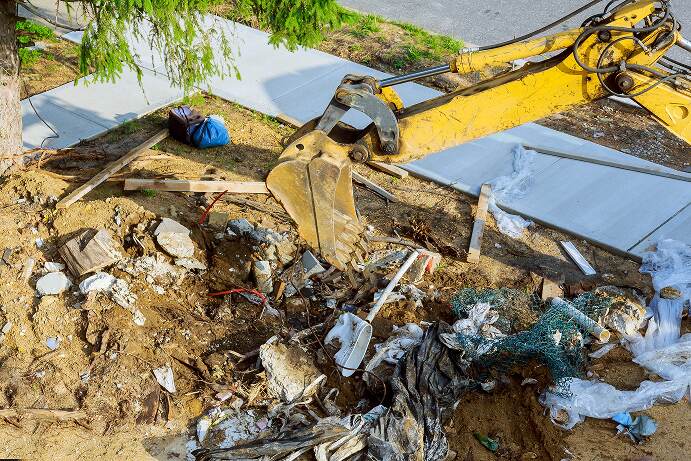
Building site cleanups are rarely the most exciting part of a construction project, but in London they are absolutely essential. From tight access streets and busy neighbours to strict waste regulations, a messy site can quickly become more than just an eyesore. It can slow work down, create safety risks, and attract the kind of attention no builder wants.
Whether you are managing a small refurbishment or a large commercial build, keeping a site clear, organised and compliant is a key part of getting the job finished properly.
A well-planned cleanup helps maintain productivity, protects workers, and ensures waste is disposed of legally and responsibly.
It also helps avoid that familiar moment when someone asks where the fire exit has gone, and no one is quite sure.
This guide explains everything you need to know about building site cleanups in London, including legal requirements, best practices, and when it makes sense to bring in professional help.
What Is a Building Site Cleanup?
A building site cleanup is the process of removing waste, debris and unused materials from a construction site to keep it safe, organised and workable. It is not a one-off task at the end of a project, but an ongoing requirement throughout the build. In simple terms, it is about making sure the site remains usable rather than resembling a permanent storage area for broken bricks and mysterious offcuts.
Cleanups typically fall into two categories. The first is ongoing site clearance, which involves regular removal of waste as work progresses. This helps prevent materials building up, reduces hazards, and keeps access routes clear.
The second is the final cleanup, carried out once construction work is complete and the site needs to be left tidy and compliant.
Common waste removed during building site cleanups includes rubble, concrete, timber, metal, plasterboard, insulation, packaging and general builders’ waste. Managing this waste properly is especially important on London sites, where space is limited and patience is often in short supply.
Legal Requirements for Building Site Cleanups in London
In London, building site cleanups are a legal requirement, and one that is taken rather seriously. Anyone producing construction waste has a duty of care to make sure it is handled, removed and disposed of properly. This applies whether you are running a large commercial project or a smaller job that was supposed to be quick but somehow produced far more rubble than expected.
All construction waste must be collected by a licensed waste carrier and taken to an authorised disposal or recycling facility. Each collection should be covered by a Waste Transfer Note, which records what waste was removed and where it went.
These notes need to be kept for at least two years, just in case someone official decides to take an interest. Ignoring these rules can lead to fines, delays and uncomfortable conversations.
Fly-tipping is not excused by good intentions or a lack of boot space. This is why many builders in London prefer to use professional building site cleanup services that handle compliance and paperwork, leaving them to get on with the job and keep the site running smoothly.
How to Plan an Efficient Building Site Cleanup
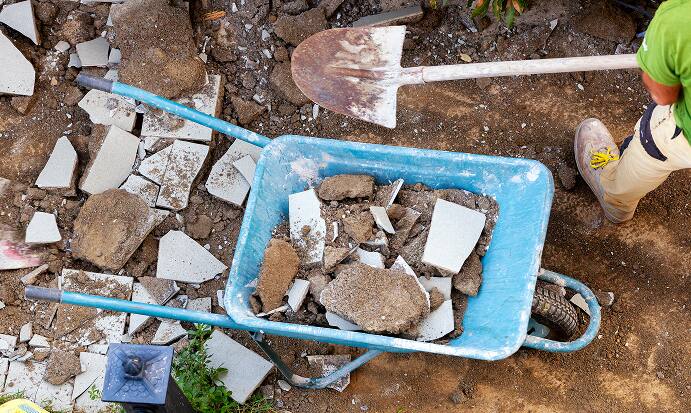
A successful building site cleanup rarely happens by accident. It usually requires a bit of planning and the quiet acceptance that waste has a habit of multiplying when no one is looking. In London, where space is limited and access can be challenging, a clear plan makes all the difference.
Start by identifying the types of waste your project will generate. Rubble, timber, metal, plasterboard and packaging all need to be handled differently, and mixing everything together tends to create more problems than it solves. Regular clearances during the build help prevent waste piling up and blocking walkways, fire exits or that one doorway everyone needs to use.
Timing is also important. Scheduling cleanups around key stages of the project keeps the site workable and reduces last minute panic as deadlines approach. Consider access restrictions, parking requirements and local working hours, especially on busy London streets.
A simple checklist and a reliable waste removal partner can help keep everything under control, and prevent the site from slowly disappearing under its own debris.
Recycling and Sustainable Waste Disposal
Recycling construction waste is an expected part of responsible building site management in London. A well-run cleanup focuses not only on removing waste, but on sending as much of it as possible away from landfill. This is good for the environment and, just as importantly, tends to be better for everyone’s conscience.
Many common construction materials can be recycled or reused, including concrete, bricks, timber, metals and some types of plasterboard. Separating waste on site makes this process far more effective, even if it does require a small amount of extra effort at the start.
The alternative is usually a larger mixed load and a smaller recycling rate, which no one really wants to explain later.
Professional building site cleanup services in London are set up to maximise recycling and ensure waste ends up at the correct facilities. They understand local disposal options and regulations, and can help projects meet sustainability targets without turning waste management into a full-time job. Which is a relief, as most people already have enough of those.
Safety Benefits of Proper Building Site Cleanups
A tidy building site is not just easier on the eye. It is also far safer to work on. Loose debris, discarded materials and overflowing waste piles are some of the most common causes of trips, slips and minor injuries on construction sites. These incidents are rarely dramatic, but they are very effective at slowing a project down.
Regular building site cleanups help keep walkways clear, reduce fire risks and make it easier for everyone to move around without constantly watching their footing. Clear sites also make it simpler to spot genuine hazards before they become a problem, rather than discovering them at speed.
From a productivity point of view, a clean site saves time. Workers spend less time navigating obstacles or searching for space to work, and more time actually getting on with the job.
It also helps meet health and safety expectations, which is preferable to explaining why the risk assessment did not quite match the reality on the ground.
When to Hire a Professional Building Site Cleanup Service
There comes a point in many projects where clearing the site yourself stops being efficient and starts becoming optimistic. While small amounts of waste can sometimes be managed in-house, larger volumes or ongoing cleanups are usually better handled by professionals.
Hiring a professional building site cleanup service ensures waste is removed quickly, safely and in line with current regulations.
Licensed carriers handle the heavy lifting, transport and paperwork, reducing the risk of compliance issues and unexpected delays. It also means waste can be collected on a schedule that suits the project, rather than waiting until there is nowhere left to put it.
Professional services are particularly useful on busy or restricted sites, where access, timing and space all need careful coordination. Using an experienced provider helps keep the project moving and the site under control, without relying on someone’s van and a very optimistic view of how much it can carry.
Leaving the Site Cleaner Than You Found It
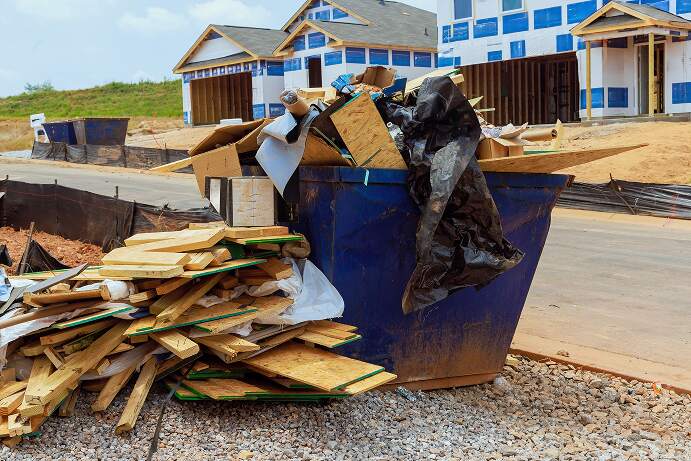
Keeping a building site clean in London is about more than appearances. It protects workers, keeps the project on schedule, ensures compliance with the law, and helps the environment at the same time. A well-managed cleanup can turn what might otherwise be a chaotic pile of rubble into a site that runs smoothly, safely and efficiently.
For most projects, the smartest approach is a combination of planning, regular on-site waste management, and professional support when things get too large or complicated. Licensed building site cleanup services take care of heavy lifting, recycling, paperwork and legal compliance, leaving site managers free to focus on the work that actually builds something.
If you want to avoid fines, frustration, or the occasional “Where did the fire exit go?” moment, getting professional help is rarely a bad idea. Contact Junk Hunters today to arrange a fast, reliable and fully compliant building site cleanup anywhere in London.
FAQ – Building Site Cleanups in London
How much does a building site cleanup cost in London?
Costs vary depending on the size of the site, type of waste and frequency of clearance. For a clear estimate, it’s best to get a quote from a licensed professional like Junk Hunters.
Do I need a Waste Transfer Note?
Yes. Any non-hazardous construction waste removed by a licensed carrier must be documented with a Waste Transfer Note, kept for at least two years.
Can construction waste be recycled?
Many materials can be recycled, including timber, concrete, bricks, metals and plasterboard. Professional services help maximise recycling and reduce landfill.
When should I hire a professional cleanup service?
If your site generates large volumes of waste, has restricted access, or requires ongoing clearance, a professional service saves time, ensures compliance and keeps the site safe.